Introduction
Artificial Intelligence (AI) is revolutionizing the financial landscape, reshaping how financial institutions operate, strategize, and mitigate risks. In the dynamic realm of finance, AI is not just a technological advancement but a strategic imperative. This article explores the diverse applications of AI in finance, showcasing its transformative influence across various use cases, including demand forecasting, asset management, private equity, portfolio management, due diligence, fraud detection, and risk management.

AI in Demand Forecasting
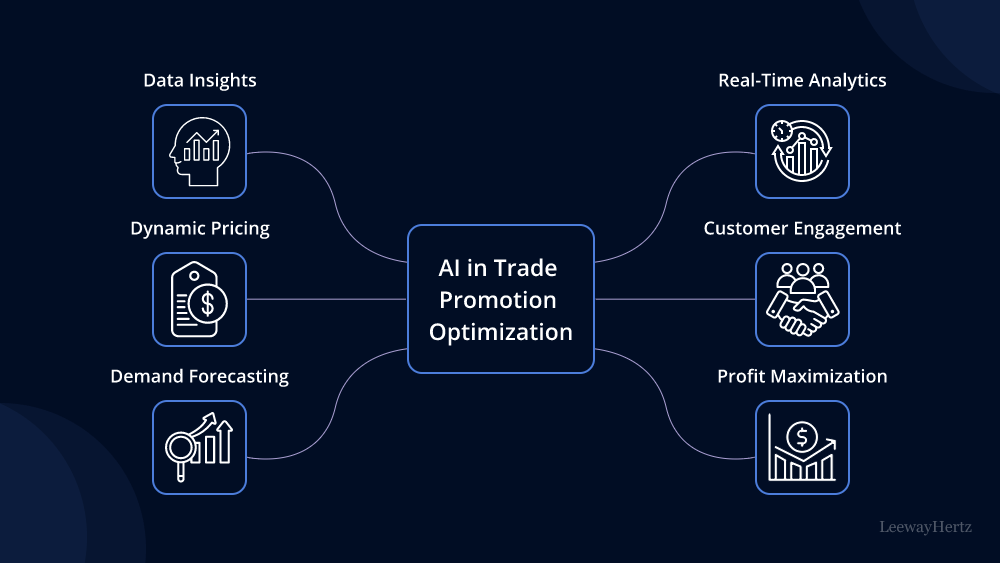
In the world of finance, accurate demand forecasting is a game-changer. AI technologies, particularly machine learning algorithms, have proven instrumental in predicting future trends, market dynamics, and customer behaviors. Demand forecasting models powered by AI analyze vast datasets, historical market trends, and external factors to provide actionable insights.
Financial institutions leverage AI in demand forecasting to optimize investment strategies, allocate resources effectively, and adapt swiftly to changing market conditions. By accurately predicting demand, financial entities can make informed decisions, minimize risks, and stay ahead in a competitive landscape.
Generative AI in Asset Management
Generative AI, a subset of artificial intelligence that involves creating new data based on existing patterns, is making significant strides in asset management. Generative AI models, such as Generative Adversarial Networks (GANs), can create synthetic data that closely resembles real financial market conditions.
Generative AI in asset management, is utilized to simulate various market scenarios for testing the robustness of investment models. This synthetic data aids asset managers in refining their strategies, stress-testing portfolios, and ensuring resilience in the face of diverse market conditions.
AI Use Cases in Private Equity and Principal Investment
AI in Private equity and principal investment firms helps navigate complex landscapes. AI algorithms analyze vast datasets, including financial statements, market trends, and competitive landscapes, to identify lucrative investment opportunities and assess potential risks.
Moreover, AI streamlines due diligence processes, accelerating evaluations and enhancing the accuracy of investment analyses. By automating aspects of the decision-making process, private equity and principal investment firms can make well-informed investment decisions and adapt swiftly to market changes.
AI for Portfolio Management
Portfolio management is a multifaceted task involving the optimization of asset allocation to achieve financial goals. AI in portfolio management utilizes machine learning algorithms to process real-time data, analyze market trends, and dynamically adjust portfolios based on changing conditions.
These AI-driven systems provide a more personalized approach to portfolio management by considering individual investor preferences, risk tolerance, and financial goals. The result is a more adaptive and responsive portfolio management strategy that aligns with the ever-evolving financial landscape.
AI in Due Diligence
Due diligence, a critical aspect of financial decision-making, involves the thorough examination of potential risks and opportunities associated with investments. AI in due diligence automates data analysis, identifies hidden insights, and flags potential risks by leveraging Natural Language Processing (NLP) and machine learning algorithms.
Automated due diligence processes powered by AI contribute to quicker and more comprehensive evaluations of potential investments. This efficiency not only accelerates decision-making but also enhances the depth and accuracy of evaluations, minimizing the risk of overlooked issues.
AI in Fraud Detection
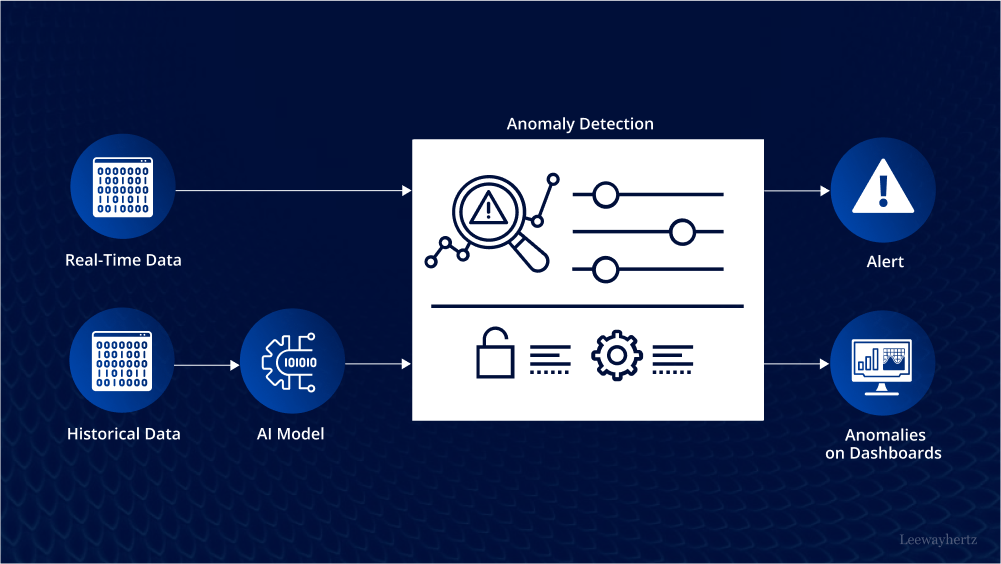
Fraud detection is a perpetual challenge in the financial industry, and AI is proving to be a formidable tool in this arena. AI in fraud detection systems utilize machine learning algorithms to analyze patterns, detect anomalies, and identify potentially fraudulent activities in real-time.
These systems process vast datasets, including transaction histories, user behaviors, and market trends, to pinpoint irregularities indicative of fraudulent behavior. The proactive nature of AI in fraud detection enables financial institutions to respond swiftly to potential threats, safeguarding the integrity of financial transactions.
AI in Risk Management
AI in Risk management is optimizing this integral to responsible financial management. AI algorithms analyze extensive datasets to identify potential risks, model various scenarios, and recommend strategies for risk mitigation.
In credit risk assessment, AI analyzes not only traditional credit scores but also alternative data sources, leading to more accurate risk evaluations. In market risk management, AI-driven models simulate different market conditions and assess potential impacts on portfolios. The result is a more comprehensive and adaptive approach to risk management, empowering financial institutions to navigate uncertainties with greater confidence.
Conclusion
The integration of AI into the financial industry is reshaping the landscape, introducing efficiencies, insights, and strategies that were previously unattainable. From demand forecasting to asset management, private equity, portfolio management, due diligence, fraud detection, and risk management, AI is proving to be a transformative force.
As financial institutions continue to harness the power of AI, the synergy between human expertise and AI capabilities promises to redefine traditional practices and open new possibilities for innovation and growth. The applications highlighted in this article showcase the versatility and impact of AI in finance, paving the way for a future where smart technologies drive continuous improvement and resilience in the financial sector.





 AI Techy Talks