The fashion industry has always been synonymous with creativity, innovation, and self-expression. It’s an ever-evolving domain that thrives on staying ahead of trends and catering to the ever-changing tastes of consumers. In this fast-paced world of fashion, artificial intelligence (AI) has emerged as a game-changer, transforming the way designers create, brands market, and customers shop. This article explores the exciting realm of AI in fashion and how it’s revolutionizing the runway and retail.
Designing with AI: A New Aesthetic
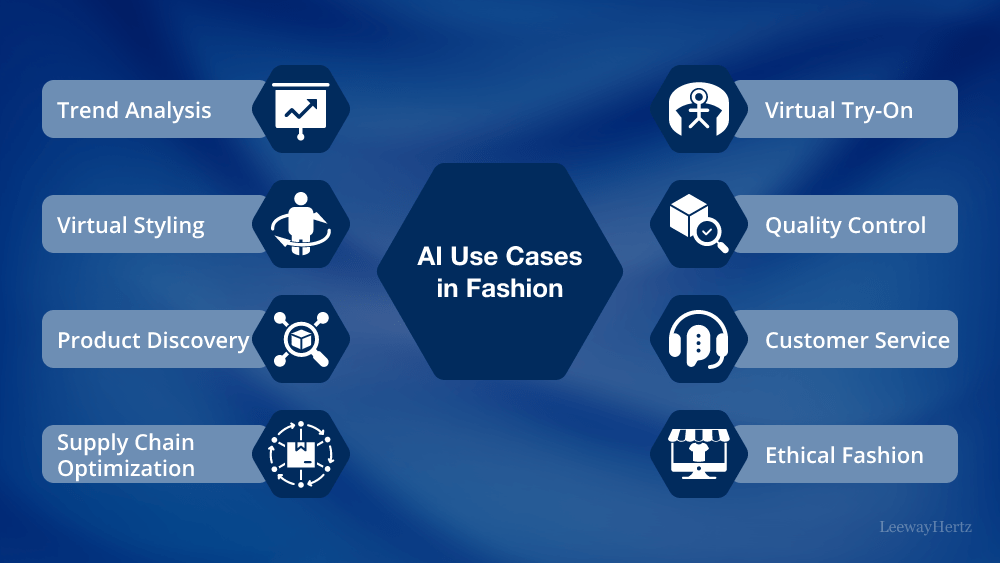
One of the most captivating applications of AI in the fashion industry is in design. Fashion designers are now using AI-powered tools to spark creativity and streamline their design processes. These tools analyze vast databases of fashion trends, consumer preferences, and historical data to offer valuable insights into what’s likely to be popular in the future.
For instance, AI can analyze social media trends, runway shows, and street style to identify emerging fashion trends. Designers can use these insights to create collections that resonate with their target audience. AI algorithms can even assist in generating unique designs by combining various elements and styles, helping designers break creative barriers.
Perfect Fit: Personalized Clothing with AI
AI-driven advancements have also made their mark in the realm of personalized fashion. Companies are using AI to create tailored clothing that perfectly fits each individual. By collecting measurements through smartphones or scanning devices, AI algorithms can generate patterns and designs that are customized to a customer’s unique body shape and size.
This level of personalization not only enhances the shopping experience but also reduces returns and waste in the fashion industry, making it more sustainable. Brands like ‘Stitch Fix’ and ‘The Yes’ have embraced AI to curate personalized clothing recommendations based on individual preferences and style, making online shopping a breeze.
AI on the Catwalk: Predictive Analytics
The runway is not immune to the influence of AI. Fashion houses are leveraging AI to predict which trends will be a hit on the runway. AI algorithms can analyze historical fashion data, social media buzz, and market trends to forecast which styles, colors, and fabrics will dominate the fashion scene in the upcoming seasons.
This predictive analytics helps designers make informed decisions about their collections, ensuring they align with consumer expectations. By minimizing the guesswork, designers can reduce the risk of producing garments that won’t sell, thus optimizing their resources and profitability.
AI in Retail: Enhancing Customer Experience
The fashion retail landscape is undergoing a significant transformation thanks to AI. Many brick-and-mortar stores have integrated AI-powered systems to enhance customer experiences. For instance, smart mirrors equipped with AI can suggest matching accessories or other clothing items when a customer tries on a garment. These mirrors can even adjust the lighting to simulate different environments, helping customers visualize how an outfit might look in various settings.
Additionally, AI chatbots are becoming commonplace on fashion brand websites. These chatbots can provide instant assistance to customers, answering questions, offering styling tips, and even processing orders. They are available 24/7, providing a seamless shopping experience for customers worldwide.
Sustainability Through AI: Reducing Fashion’s Environmental Footprint
Sustainability is a growing concern in the fashion industry. AI is playing a pivotal role in making fashion more eco-friendly. By analyzing data from the supply chain and production processes, AI can identify areas where waste can be minimized, energy consumption reduced, and materials optimized. This leads to more sustainable manufacturing and distribution practices.
Moreover, AI can help consumers make sustainable choices by providing information about a product’s environmental impact. Apps and websites powered by AI can offer insights into a garment’s carbon footprint, helping shoppers make informed choices about their purchases.
The Future of AI in Fashion: Creative Collaboration
As AI continues to evolve, its role in the fashion industry is likely to expand even further. We may soon witness creative collaborations between AI systems and human designers, resulting in entirely novel and innovative designs. AI could assist in prototyping, fabric selection, and even predicting consumer reactions to new styles.
In conclusion, AI is weaving itself into the very fabric of the fashion industry, reshaping the way fashion is designed, produced, marketed, and consumed. From personalized clothing to sustainability initiatives, AI is proving to be a powerful tool that enhances creativity, efficiency, and customer satisfaction in the world of fashion. As AI technology continues to advance, fashion enthusiasts can look forward to a future where the runway and retail experience are transformed by artificial intelligence.
 AI Techy Talks