In the fast-paced world of business, staying ahead of the competition is essential. This is especially true in the realm of trade promotions, where companies strive to maximize their marketing efforts to boost sales and gain a competitive edge. Enter Artificial Intelligence (AI), a technology that has been making waves in various industries, including trade promotions. In this article, we will delve into the fascinating world of AI in trade promotions and explore how it is revolutionizing marketing strategies.
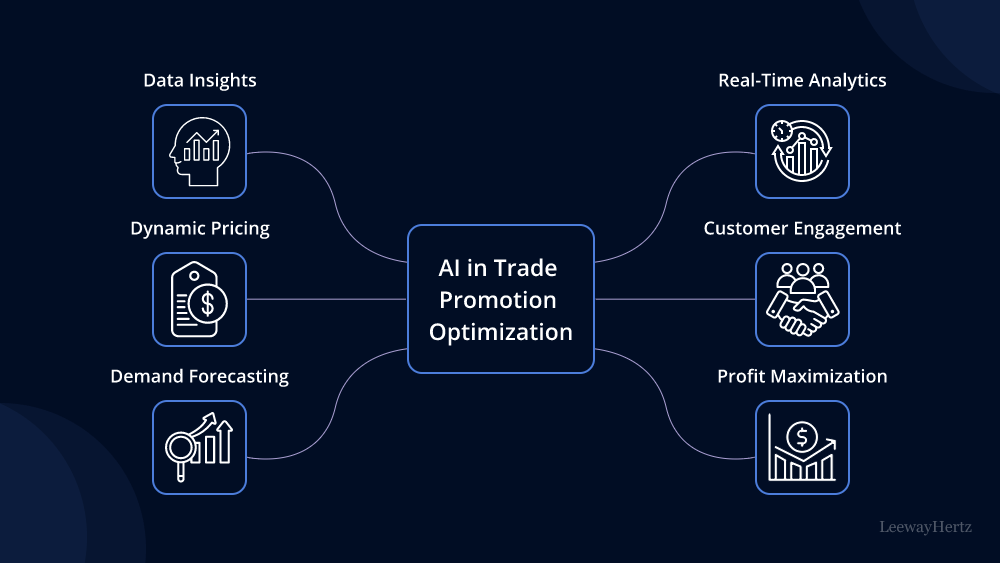
Understanding AI in Trade Promotions
AI refers to the simulation of human intelligence in machines, allowing them to perform tasks that typically require human intelligence, such as learning, problem-solving, and decision-making. In trade promotions, AI is harnessed to analyze vast amounts of data and provide valuable insights that can optimize marketing campaigns and drive revenue growth.
Data-Driven Decision Making
One of the primary ways AI is transforming trade promotions is through data-driven decision making. With the help of AI algorithms, businesses can collect and analyze large datasets, including sales figures, customer demographics, market trends, and even weather data. This analysis enables companies to make informed decisions about when, where, and how to run promotions.
For example, an AI system can identify patterns in historical sales data and recommend the most effective time to launch a promotion. It can also help determine the optimal discount level and product placement based on customer preferences and market conditions. This level of precision can significantly increase the success rate of trade promotions.
Personalized Marketing
AI has also revolutionized personalized marketing in trade promotions. By leveraging machine learning algorithms, businesses can create highly targeted and customized promotional offers for individual customers. This level of personalization can enhance customer engagement and loyalty.
Imagine receiving a promotion for your favorite products just when you need them the most. AI can analyze your past purchase history, browsing behavior, and even social media interactions to predict your preferences and deliver tailored promotions. This not only increases the likelihood of a purchase but also enhances the overall customer experience.
Optimizing Inventory Management
Effective inventory management is crucial for the success of trade promotions. Overstocking can lead to excess costs, while understocking can result in missed sales opportunities. AI-powered demand forecasting tools can analyze historical sales data and market trends to predict future demand accurately. This enables businesses to stock the right products in the right quantities, ensuring that promotions are executed smoothly without any inventory-related hiccups.
Dynamic Pricing Strategies
AI can also play a pivotal role in dynamic pricing strategies during trade promotions. Dynamic pricing involves adjusting prices in real-time based on various factors such as demand, competition, and inventory levels. AI algorithms can continuously monitor these variables and make instantaneous pricing decisions to maximize profits.
For instance, during a peak demand period, AI can automatically raise prices slightly to capture additional revenue. Conversely, it can lower prices when demand decreases to encourage more purchases. This dynamic pricing approach not only boosts profitability but also ensures that customers perceive value in the promotions.
Enhancing Customer Engagement
AI-driven chatbots and virtual assistants are becoming increasingly prevalent in trade promotions. These intelligent tools can engage with customers in real-time, answer their queries, and provide personalized recommendations. Whether it’s through a website chat window or a mobile app, AI-powered interactions can guide customers through the promotion, making the shopping experience more enjoyable and informative.
Challenges and Ethical Considerations
While AI offers numerous benefits in trade promotions, it’s not without its challenges and ethical considerations. Privacy concerns regarding the collection and use of customer data must be addressed transparently. Additionally, the potential for algorithmic bias in personalized promotions needs to be mitigated to ensure fairness.
Conclusion
In the competitive landscape of trade promotions, AI is proving to be a game-changer. Its ability to analyze data, make data-driven decisions, personalize marketing efforts, optimize inventory management, and implement dynamic pricing strategies is revolutionizing the way businesses approach trade promotions. As AI continues to evolve, companies that embrace this technology will gain a significant advantage in the market, ultimately leading to increased sales and customer satisfaction. AI in trade promotions is not just a trend; it’s the future of marketing strategies.
 AI Techy Talks