The telecommunications industry is undergoing a significant transformation, driven by cutting-edge technologies and innovations. One such technological marvel making waves in the industry is Generative AI (Artificial Intelligence). Generative AI has the potential to revolutionize the telecom sector by enhancing network management, optimizing customer experiences, and paving the way for a more efficient and reliable telecommunications infrastructure.
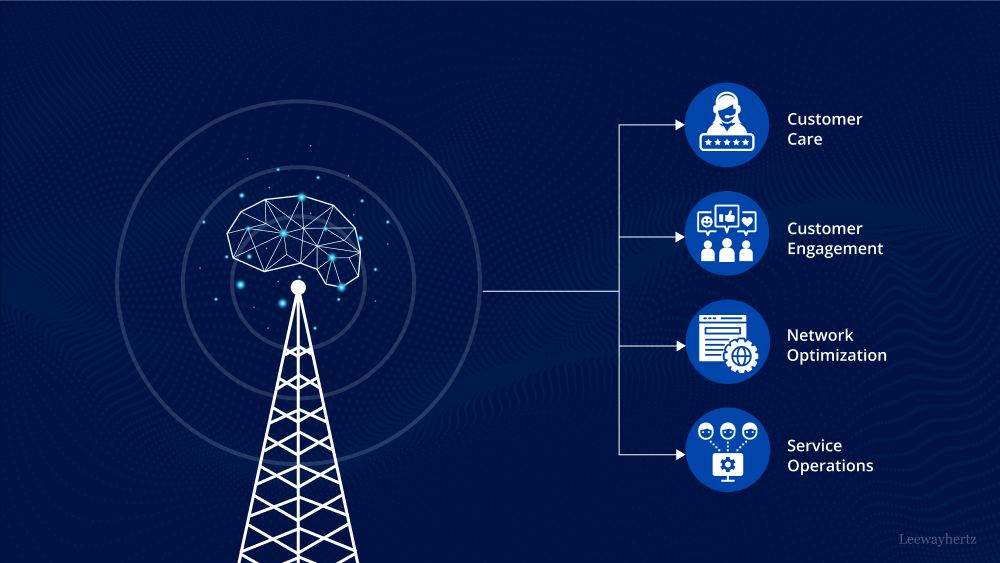
Understanding Generative AI in Telecom
Generative AI, a subset of artificial intelligence, is known for its ability to generate content, data, or even entire applications autonomously. It leverages advanced algorithms and neural networks to mimic human-like creativity in generating text, images, and other forms of data. In the telecom sector, Generative AI finds applications in various domains, including network optimization, customer support, and cybersecurity.
Network Optimization
One of the key areas where Generative AI shines in telecom is network optimization. Telecommunication companies manage vast networks that need continuous monitoring and optimization to ensure seamless connectivity. Generative AI algorithms can analyze network data, identify bottlenecks, and provide recommendations for optimization.
These algorithms can predict network congestion, enabling telecom operators to allocate resources more efficiently. By optimizing network traffic and routing, Generative AI helps in reducing latency and improving overall network performance, resulting in better user experiences for customers.
Customer Support and Chatbots
Customer support is another area where Generative AI has made significant inroads. Telecom companies receive a large volume of customer queries and complaints daily. Handling these requests efficiently is crucial for customer satisfaction.
Generative AI-powered chatbots are capable of understanding and responding to customer queries in real-time, providing personalized solutions. These chatbots can learn and adapt to customer preferences and behavior, making them increasingly effective over time. This not only enhances the customer experience but also reduces the workload on human customer support agents, allowing them to focus on more complex issues.
Predictive Maintenance
Telecom infrastructure consists of numerous physical components, such as cell towers and data centers, which require regular maintenance to ensure uninterrupted service. Generative AI can predict equipment failures by analyzing historical data and identifying patterns that indicate potential issues.
By implementing predictive maintenance powered by Generative AI, telecom companies can reduce downtime, lower maintenance costs, and enhance network reliability. This proactive approach helps in preventing service disruptions and improving overall service quality.
Security and Fraud Detection
The telecom industry faces constant threats from cyberattacks and fraudsters seeking unauthorized access to networks or engaging in fraudulent activities. Generative AI can play a crucial role in identifying and mitigating these threats.
Generative AI algorithms can analyze network traffic and detect unusual patterns or anomalies that may indicate a security breach. Additionally, they can generate realistic fake data to act as decoys, luring potential attackers away from actual vulnerabilities. This proactive security approach helps telecom companies stay one step ahead of cyber threats.
Data Analysis and Insights
Data is a valuable asset in the telecom industry, and Generative AI can help extract meaningful insights from vast amounts of data. By analyzing customer behavior, usage patterns, and network performance data, Generative AI can provide telecom companies with valuable insights to optimize their services, marketing strategies, and infrastructure investments.
Challenges and Ethical Considerations
While Generative AI offers numerous benefits to the telecom industry, it also presents challenges and ethical considerations. Data privacy and security are paramount, as AI systems require access to sensitive customer information. Ensuring that data is handled responsibly and securely is a critical aspect of implementing Generative AI in telecom.
Moreover, there are concerns about job displacement as AI-powered systems take over routine tasks, potentially reducing the need for human intervention in certain areas. Telecom companies must strike a balance between automation and maintaining a human touch in customer interactions.
Conclusion
Generative AI in telecom is a game-changer, with the potential to enhance network performance, improve customer experiences, and bolster security. By harnessing the power of Generative AI, telecom companies can stay competitive in an increasingly dynamic industry and deliver innovative solutions to meet the growing demands for connectivity.
As this technology continues to evolve, it is crucial for telecom companies to embrace Generative AI responsibly, addressing ethical concerns and ensuring that it benefits both the industry and its customers. The future of telecom is undoubtedly being shaped by Generative AI, promising a more connected and efficient world for all.
 AI Techy Talks