In today’s fast-paced digital world, businesses are constantly seeking innovative ways to enhance customer experiences while streamlining their operations. One such innovation that has gained immense popularity in recent years is the transactional chatbot. These intelligent virtual assistants are revolutionizing customer service, e-commerce, and various other industries by enabling seamless and efficient transactions. In this article, we’ll delve into the world of transactional chatbots, exploring their functionalities, benefits, and potential applications.
Understanding Transactional Chatbots
Transactional chatbots are a subset of conversational AI systems designed to facilitate and execute transactions within a conversational interface. Unlike their informational counterparts, which primarily provide information and answer queries, transactional chatbots are equipped to handle tasks that involve monetary transactions, data entry, or online purchases.
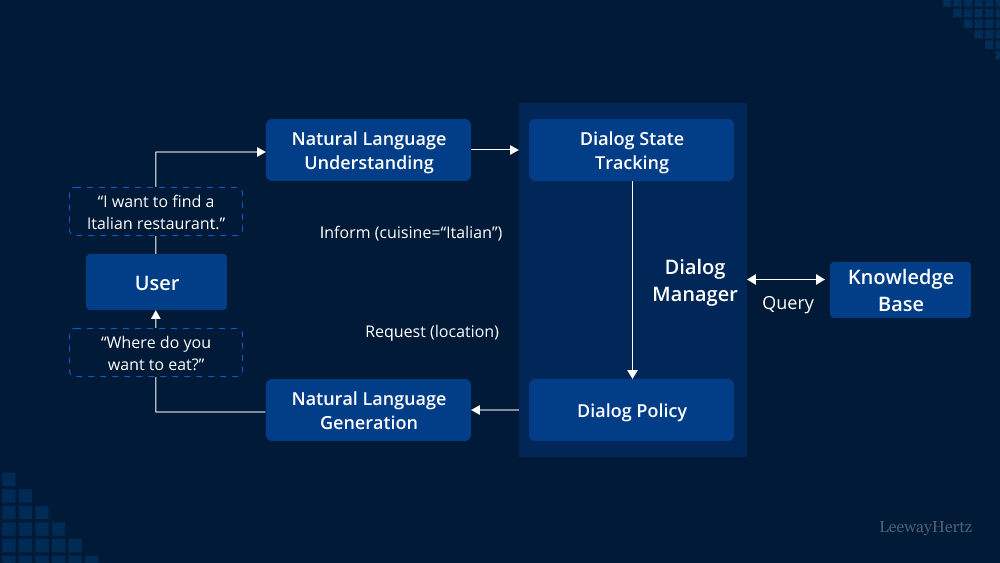
These chatbots employ natural language processing (NLP) and machine learning algorithms to understand user inputs, process requests, and carry out specific actions. They can be integrated into various communication platforms, such as websites, messaging apps, and customer support portals, making them versatile tools for businesses to engage with their customers.
The Key Features of Transactional Chatbots
- Seamless Transactions: One of the primary features of transactional chatbots is their ability to facilitate smooth and secure transactions. Whether it’s booking a hotel room, ordering a product, or paying a bill, users can complete these actions without leaving the chat interface.
- Personalization: Transactional chatbots leverage user data and preferences to offer personalized recommendations and solutions. This level of customization enhances the overall user experience and increases the likelihood of successful transactions.
- 24/7 Availability: Unlike human agents who have limited working hours, transactional chatbots are available round-the-clock, allowing customers to engage with businesses at their convenience.
- Efficiency: These chatbots are designed to handle a high volume of transactions simultaneously, reducing the wait time for users and increasing operational efficiency for businesses.
Benefits of Transactional Chatbots
- Enhanced Customer Experience: Transactional chatbots offer a user-friendly and efficient way for customers to interact with businesses. They can quickly get the information they need and complete transactions without frustration, leading to higher customer satisfaction rates.
- Cost Savings: By automating routine transactions and customer interactions, businesses can significantly reduce their operational costs. They can allocate human resources to more complex tasks, while chatbots handle repetitive duties.
- Increased Revenue: Transactional chatbots can proactively suggest products or services based on user preferences, leading to upselling and cross-selling opportunities. Additionally, they can assist in reducing cart abandonment rates in e-commerce, ultimately driving revenue growth.
- Data Insights: Transactional chatbots collect valuable data on customer preferences and behavior. This data can be analyzed to make informed business decisions, refine marketing strategies, and improve product offerings.
Applications of Transactional Chatbots
- E-commerce: Transactional chatbots are a game-changer for online retailers. They can help customers find products, answer questions about items, process orders, and track deliveries, all within a chat window. This level of convenience encourages repeat business and brand loyalty.
- Banking and Finance: Many banks and financial institutions have adopted transactional chatbots to assist customers with account inquiries, fund transfers, and bill payments. These chatbots offer a secure and efficient way for users to manage their finances.
- Hospitality: In the hospitality industry, transactional chatbots are used for hotel bookings, room service orders, and concierge services. Guests can easily make reservations and requests through the chatbot, enhancing their stay experience.
- Customer Support: Transactional chatbots are excellent tools for handling customer support inquiries, such as troubleshooting technical issues, processing returns, and providing order status updates. They can quickly resolve common issues, freeing up human agents to focus on more complex cases.
Challenges and Considerations
While transactional chatbots offer numerous advantages, businesses must also be aware of potential challenges. These include:
- Security: Handling financial transactions requires robust security measures to protect sensitive user data. Ensuring the chatbot is secure is of utmost importance.
- Integration: Proper integration of chatbots with existing systems and databases is crucial to ensure accurate and up-to-date information for users.
- User Adoption: Some users may still prefer human interaction for certain transactions. It’s essential to provide options for both automated and human-assisted support.
Conclusion
Transactional chatbots have ushered in a new era of convenience and efficiency in customer interactions and online transactions. As businesses continue to embrace this technology, we can expect to see even more innovative applications and improvements in user experiences. With their ability to streamline processes, enhance customer satisfaction, and drive revenue growth, transactional chatbots are undoubtedly a valuable asset for businesses in the digital age. Embracing this technology can position your business at the forefront of innovation, providing a competitive edge in a rapidly evolving market.
 AI Techy Talks